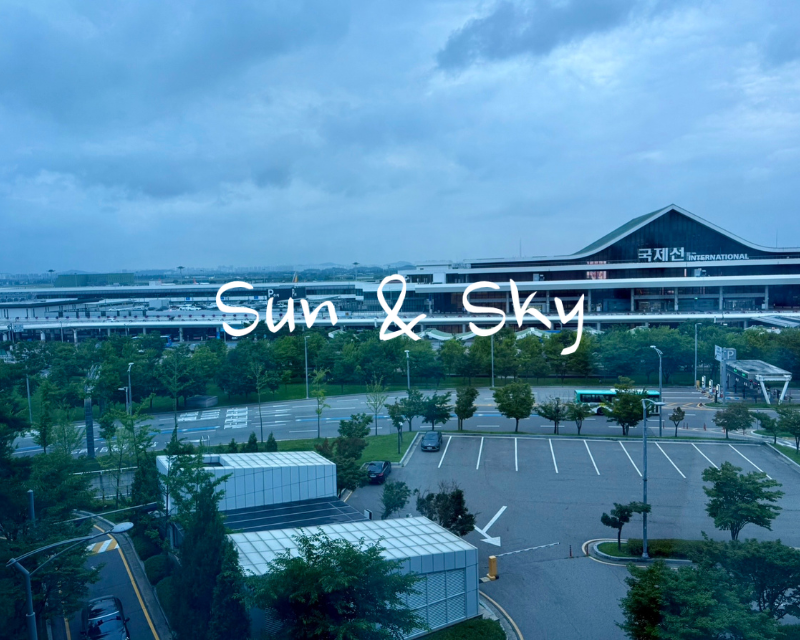
Haneda Terminal 2 is best known as ANA’s domestic terminal. But some ANA international flights also use Terminal 2, not only Terminal 3.
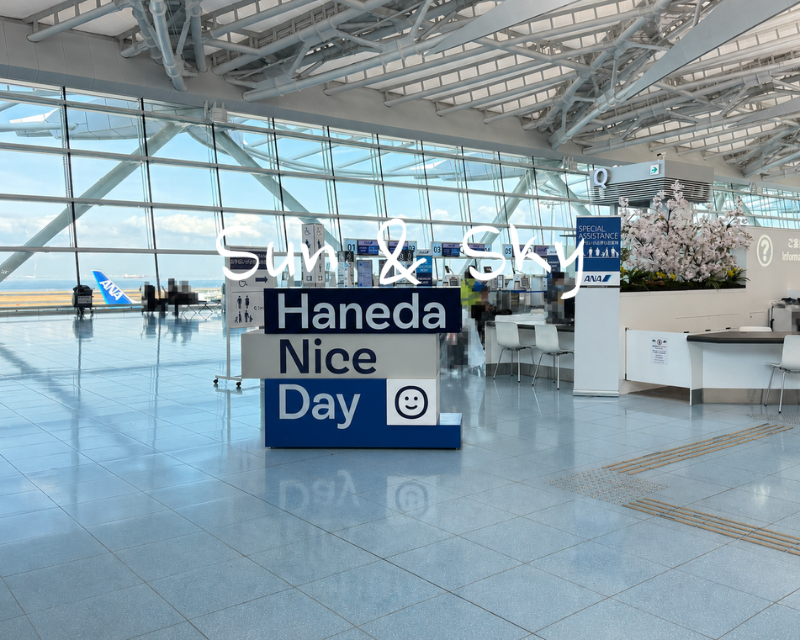
That can make a trip through Haneda more confusing than it first looks.
For me, Terminal 2 is usually easier when I arrive in Japan or connect to an ANA domestic flight. It feels less straightforward when I am leaving Japan on an early international flight with checked baggage.
This guide is based on my own flights through Terminal 2, including international arrivals from Gimpo in Seoul and Hongqiao in Shanghai, domestic-to-international connections to Gimpo and Pudong in Shanghai, and overnight stays before or after flights to and from Shenzhen. Most of these trips were in 2025 and 2026.
I use the international side of Terminal 2 often. It can save a lot of effort, but only when you understand which part of the terminal you actually need.
Quick answer
Before you plan a hotel, airport transfer, or meeting point, check these five things:
- Is your ANA international flight using Terminal 2 or Terminal 3?
- Are you arriving in Japan, connecting to a domestic flight, or departing internationally?
- If you are entering Japan, are you ready to collect your checked baggage and take it through customs?
- Does your connection meet ANA’s Minimum Connection Time, or MCT?
- Are you leaving from Terminal 2 early enough that you need to understand the international departure route before the morning rush?
Terminal 2 can remove the need to change terminals. It does not make every walk short or every connection effortless.
First, check which terminal your flight will use
This is the part I find most annoying.
ANA uses both Terminal 2 and Terminal 3 for international flights at Haneda. For international arrivals, ANA shows the scheduled arrival terminal 24 hours before departure and confirms it two hours before arrival.
I have taken daytime flights from Gimpo and Hongqiao that arrived at Terminal 2 on some trips and Terminal 3 on others.
That matters if someone is meeting you at the airport. It also matters if you are choosing an airport hotel after landing.
Do not assume that the terminal will always be the same, even on the same route.
In my own experience, the departure terminal information has matched the advance information. Still, I check the ANA app or Flight Status again before leaving for the airport.
This article is about Terminal 2 when your flight actually uses it.
Arriving at Haneda Terminal 2 on an international flight
For me, Terminal 2 feels especially useful after arriving in Japan.
The international arrivals lobby is on the second floor. The domestic departures lobby is also on the second floor, while the Keikyu Line and Tokyo Monorail are on B1.
This layout helps when you are connecting to an ANA domestic flight. You do not arrive at Terminal 3, clear immigration, and then need to travel to Terminal 2 before your domestic connection begins.
But you still need to understand what happens to your checked baggage.
International to domestic: collect your baggage once in Japan
This is the most important rule.
When you enter Japan, you must collect your checked baggage at your first airport in Japan and take it through customs.
This is not only a Terminal 2 rule. It is part of entering Japan.
Even when your baggage was checked through to an ANA domestic flight before you left another country, you still need to collect it after your international arrival, clear customs with it, and then recheck it for the domestic flight.
At Terminal 2, the practical advantage is that the domestic transfer counter is close to the international arrivals area. After customs, you can recheck your baggage and continue through domestic security without taking a shuttle bus to another terminal.
When I needed to collect and recheck my baggage, this made the connection much easier.
For this kind of connection, the question is not only, “Is my layover long enough?”
You also need to know:
- Is your domestic flight departing from Terminal 2?
- Do you have checked baggage?
- Is your itinerary on one ticket or separate tickets?
- How busy might immigration and customs be that day?
- Do you have enough time to collect, recheck, and pass through domestic security?
Baggage felt quicker for me
In my own experience, checked baggage started arriving sooner at Terminal 2 than it did when I arrived at Terminal 3.
When I had a priority tag, it came out even faster.
That is only my personal experience. It will depend on the flight, arrival time, baggage handling, and many other factors.
Still, after a long flight, getting your suitcase quickly makes a real difference. It can make a domestic connection feel much less stressful.
Check MCT before you trust Reddit answers
When people ask whether a connection at Haneda is possible, they often ask whether another traveler “made it” in 55 minutes, 70 minutes, or 80 minutes.
That is not the first number to check.
Start with the Minimum Connection Time, usually called MCT.
MCT is the airline’s minimum standard for a valid connection. It depends on the airport, airline, route type, and terminal.
For ANA domestic flights connecting to ANA Group international flights at Haneda, ANA currently lists these minimum times:
- Domestic to international flights departing from Terminal 2: 55 minutes
- International to domestic flights: 80 minutes
Those times are more useful than a stranger saying, “You should be fine.”
If your itinerary does not meet the published MCT, do not treat it as a normal connection.
If it does meet the MCT, that means it meets ANA’s minimum standard. It is still not a promise that immigration, baggage delivery, customs, or security will be quick on your travel day.
For separate tickets, self-transfers, partner-operated flights, or any trip where you must handle baggage yourself, I would allow more time than the minimum.
Staying overnight near Terminal 2
Terminal 2 is also practical when I need to stay overnight after an international arrival or before an early flight the next day.
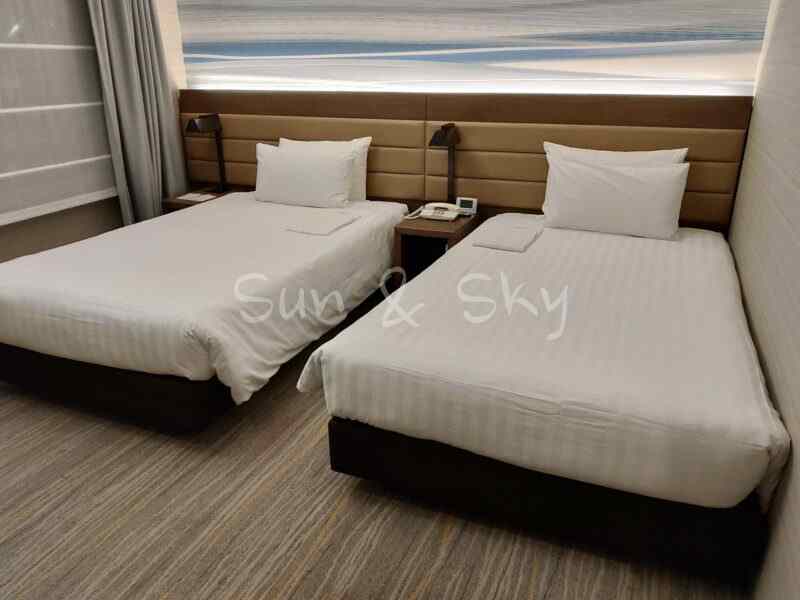
Haneda Excel Hotel Tokyu is directly connected to Terminal 2, at the north end of the terminal.
I like that I can reach the hotel from the Terminal 2 lobby without changing terminals or taking a shuttle bus. This is especially helpful when I have a large suitcase and do not want to move far after a flight.
However, the hotel is connected to Terminal 2, not directly to the train station or bus stops. The Keikyu Line and Tokyo Monorail are on B1, so you still need to move between floors when you leave the terminal.
For my hotel review, see:
Leaving Japan from Terminal 2 on an international flight
My experience is more mixed when leaving Japan from Terminal 2.

The international departure area is on the third floor. From the Terminal 2 landside lobby, go up to the domestic departures level, walk to the south end, then go up again to international departures.
The international departure flow felt confusing
The difficult part of Terminal 2 for me was the international departure area in the morning.
I found the route to the baggage drop area unclear. I also had trouble seeing where I was supposed to join the security line.
I have ANA Platinum status and Star Alliance Gold status, but even with access to priority services, I did not find the priority route immediately obvious.
This was my own experience, not a rule for every traveler. But I would not expect Terminal 2 international departures to feel easy just because everything is inside one terminal.
For an early international flight with checked baggage, I would go upstairs early and find the baggage drop and security entrance before the area becomes busy.
ANA asks international passengers to arrive at the boarding gate at least 30 minutes before departure. I would treat that as a gate deadline, not as the time to begin looking for the correct route.

Domestic to international connections within Terminal 2
Terminal 2 can also make a same-day domestic-to-international connection easier.
On one trip, I arrived at Terminal 2 on a domestic flight and connected to an ANA flight to Gimpo.
The biggest advantage was simple: I did not need to go to Terminal 3.
For that trip, my checked baggage was tagged through to Gimpo. Not having to collect my suitcase or move between terminals made the connection much easier.
But staying in one terminal did not make the connection effortless.
The international departure area is on the third floor. From the domestic side of Terminal 2, you need to follow the signs for International Connecting Flights and go up to the international departure area.
Terminal 2 can remove a terminal transfer. It does not remove the need to allow time.
Why baggage may be handled differently
My trips showed why I do not assume baggage rules will always be the same.
For my same-day domestic-to-international connection to Gimpo, my baggage was checked through to my final destination.
For my Shenzhen trip, I was staying overnight at Haneda. I needed to keep my suitcase with me overnight.
Whether baggage can be checked through depends on your airline, ticket, itinerary, and connection conditions.
Do not assume that every domestic-to-international connection at Haneda works the same way. Read the baggage tag, check your booking, and confirm the process before travel.
Buying souvenirs before international departures
The geography of Terminal 2 matters here.
Haneda Excel Hotel Tokyu is at the north end of Terminal 2. The international departure area is at the south end.
When you are staying at the hotel and flying internationally from Terminal 2, you walk through the domestic departures lobby on the second floor before going up to the international departure area.
This is the best time to buy souvenirs.
The domestic departures lobby has many options for boxed Japanese sweets, snacks, drinks, and bento. Buy what you want while you are still on the second floor, before you reach the south end of the terminal.
Then put the souvenirs inside your checked suitcase before you go upstairs for international baggage drop.
This is especially useful because ANA changed its cabin-baggage rules for flights boarding on or after July 1, 2026. Passengers may bring one carry-on bag and one personal item, with a combined weight of up to 10 kg. The personal item must fit within 40 cm x 30 cm x 20 cm and fit completely under the seat in front of you.
I would not assume that an extra airport shopping bag will be treated as a free additional item on board.
For me, the easiest order is:
- Leave the hotel at the north end of Terminal 2.
- Buy souvenirs while walking through the domestic departures lobby.
- Continue toward the south end of the terminal.
- Put the souvenirs inside your suitcase.
- Go upstairs to the international departures area.
- Check your suitcase and fly home.
This advice is for travelers beginning their international departure landside, such as people coming from the hotel, train, bus, or taxi.
If you are already connecting from a domestic ANA flight, follow the International Connecting Flights signs instead of leaving the secure area to shop.
Can you bring Japanese snacks into another country?
That depends on your destination.
A packaged Japanese sweet is not automatically allowed everywhere. Rules can depend on the ingredients and the country.
Food containing meat, dairy, fruit, seeds, nuts, fresh ingredients, or animal products may be restricted. Some packaged foods will be fine, while others may not be.
The shop staff are selling food in Japan. They are not customs officers for your destination, so do not rely on them for import advice. Do not plan on getting detailed advice in English, either.
I shop in Japanese, so I cannot judge English support at every store. Check the official customs, agriculture, or biosecurity rules for your destination before you buy food to take abroad.
My conclusion: Terminal 2 is easier on arrival than departure
Terminal 2 worked well for me when:
- arriving in Japan on an ANA international flight
- connecting from an international flight to an ANA domestic flight
- connecting from an ANA domestic flight to an international flight departing from Terminal 2
- staying overnight near Terminal 2
I would allow more time when:
- leaving on a morning international flight
- checking baggage
- using Terminal 2 international departures for the first time
- expecting priority check-in or security routes to be easy to find
- traveling with several bags, children, or a tight connection
For me, Haneda Terminal 2 is a terminal where arrival feels smoother than departure.
It can save a lot of effort when you do not need to move to Terminal 3. But for international departures, especially in the morning, I still check the ANA app and give myself time to find the right route.