Every time I land at Shanghai Pudong (上海浦东), I go through the same mental math. Take the Maglev (磁浮) and transfer at Longyang Road (龙阳路)? Just sit on the Metro the whole way? Or use the newer rail line that only opened a couple of years ago? After going through Pudong on a Maglev ticket, a Metro Line 2 (地铁2号线) ticket, and the Airport Link Line, in that order across different trips, here’s what I’ve actually found, plus where I’d send you instead if you’re heading straight to Suzhou (苏州).
What I’ve actually used
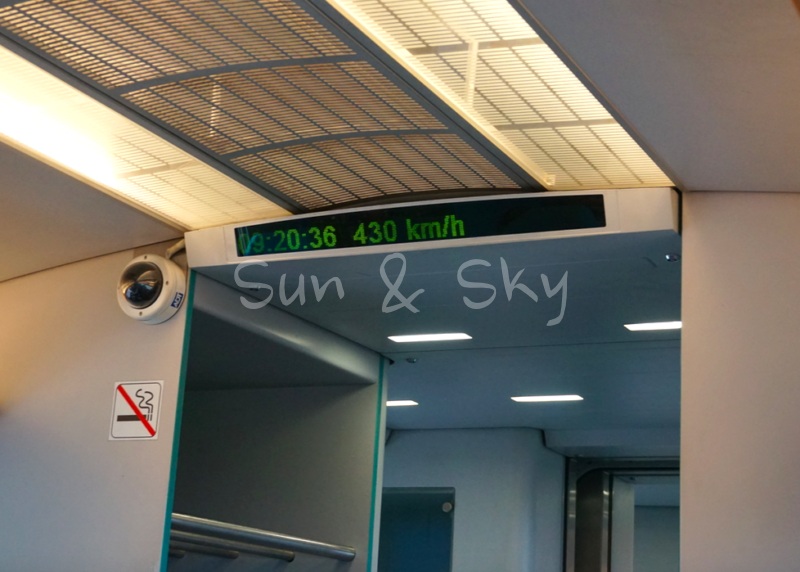
Maglev, on my very first trip to Shanghai, back in 2015, on my way to Nanjing East Road Station (南京东路).
Metro Line 2, in December 2024, when I was staying near Century Park Station (世纪公园站).
And the Airport Link Line (市域机场线), on trips in 2025 and 2026, connecting through Hongqiao (虹桥).
I’ve also taken a long-distance car service from the airport to Suzhou, which is where the real confusion turned out to be — more on that below.
Quick answer
If you’re short on time or just want the one-line version: the Maglev is the fastest way to Longyang Road but requires a transfer from there; Metro Line 2 is the slowest but goes straight through without switching trains; the Airport Link Line is the newest option and connects toward Hongqiao rather than downtown. If you’re heading on to Suzhou, I’d take the high-speed rail from Hongqiao rather than a long-distance car from the airport.
The Maglev
The Maglev runs between Pudong Airport (Terminals 1 and 2 Station, 浦东1号2号航站楼站) and Longyang Road (龙阳路), where it connects to Metro Line 2. It’s the famous 8-minute ride, and it really is that fast. The one thing I’d warn you about: seats face different directions depending on where you sit, so you might end up riding backward. It’s not a big deal, just a little disorienting the first time.
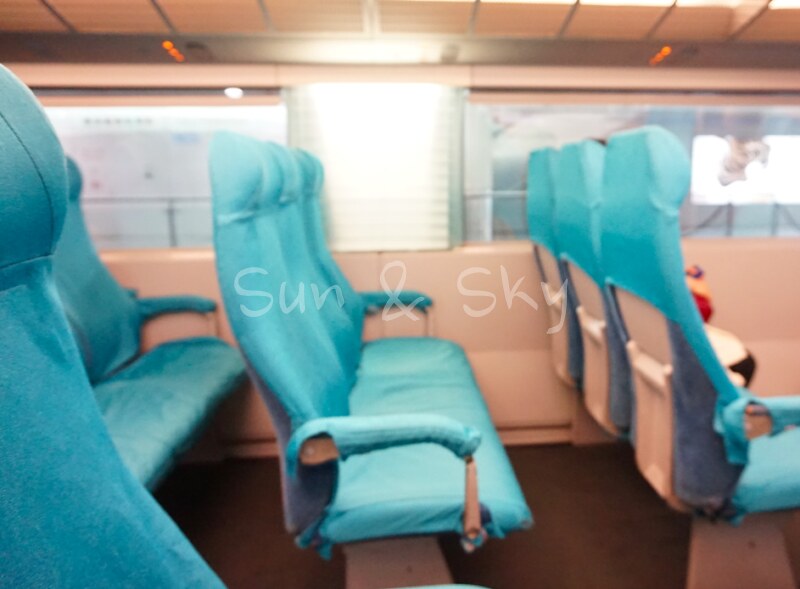
Once you get off at Longyang Road, you’re not downtown yet, you still need to transfer to Metro Line 2 for the rest of the way in.
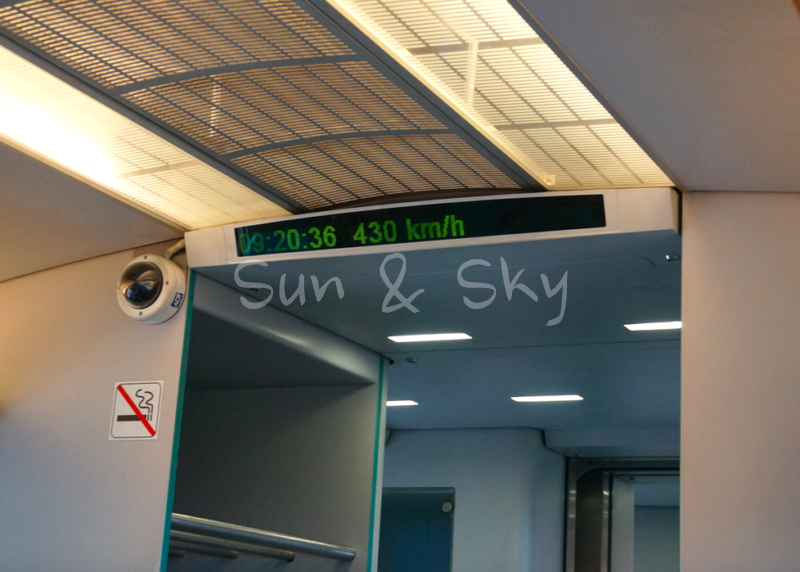
If you’d rather skip the ticket line at the airport or at Longyang Road, both KKday and KLOOK sell the Maglev ticket as an e-voucher you redeem at the station.
>>KKday Shanghai Maglev Train Ticket
>>KLOOK Shanghai Maglev Train Ticket
Metro Line 2
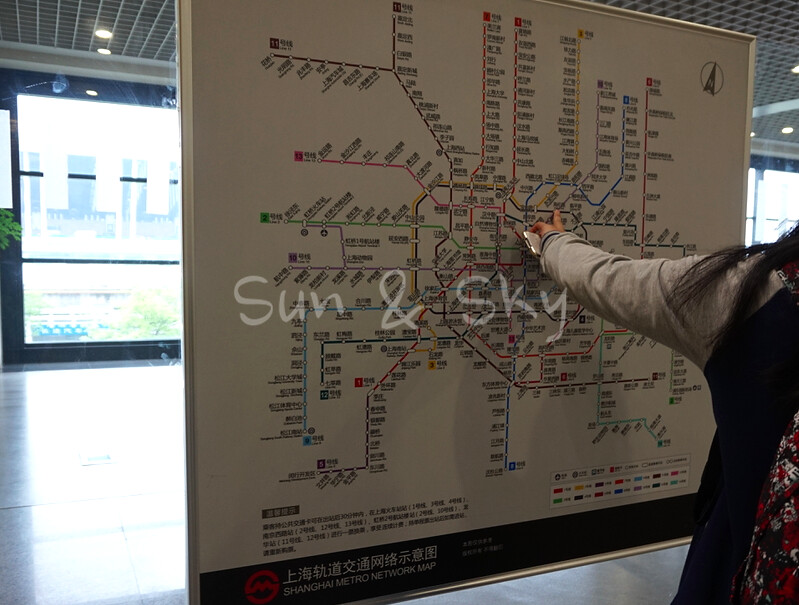
If you’d rather skip the transfer entirely, Metro Line 2 (地铁2号线) runs directly from Pudong Airport all the way through the city. It’s the slowest of the three options, expect somewhere around an hour to 90 minutes to reach central stops like People’s Square (人民广场), since it’s a regular metro line making many stops along a route that runs close to 60 kilometers.
The fare to People’s Square is currently around RMB 7, though Shanghai is reviewing its metro fare structure for the first time in over two decades, with a hearing set for September 2026, so it’s worth double-checking this figure closer to your trip. The upside of Line 2 is that it’s a single seat: you get on at the airport and don’t need to change trains until you reach your stop.
The Airport Link Line (市域机场线)
This is the newest of the three, opened on December 27, 2024, running between Hongqiao Terminal 2 Station (虹桥2号航站楼站) and Pudong’s Terminal 1/2 Station (浦东1号2号航站楼站), a 59-kilometer route with 7 stations, in around 40 minutes end to end. It runs from 6:00 a.m. to about 10:00 p.m., roughly every 15 minutes. Base fare is RMB 4, and the full Hongqiao–Pudong run is RMB 26; unlike the regular metro, this fare isn’t part of the pending September review, so it should hold steady.
A couple of things worth knowing if you’re using it to connect to or from the high-speed rail station at Hongqiao: the walk between Hongqiao Railway Station (虹桥火车站) and the Airport Link Line’s Terminal 2 station is a real walk, not a quick hop. The Hongqiao hub itself is enormous, but it’s well laid out. I’d compare it to Seoul Station, except it’s not the maze that Seoul Station can feel like; the signage is clear enough that you’re not likely to get lost, just prepared to walk.
That matches something I noticed across every train and subway trip I took in Shanghai: the wayfinding is genuinely easy. Lines are color-coded and marked right on the floor, so you can just follow the line for your route instead of hunting for signs overhead.
How I paid
I’ve always ridden on a physical or phone-based transit card or Alipay generally, so I can’t speak to this firsthand, but Shanghai’s system does seem to let you ride on a foreign credit card too, at least on this particular city’s network. For the full rundown on transit cards, phone wallets, and Alipay/WeChat options across different Chinese cities.
I’ll go deeper on transit cards, phone wallets, and Alipay/WeChat options across different Chinese cities in another article.
If you’re heading straight to Suzhou (苏州)
This is where things actually went sideways for me. I booked a long-distance car service from the airport to Suzhou, and the confusing part wasn’t the drive itself, it was finding the pickup point. Once I was moving, I didn’t have any trouble; I just had a hard time locating the pickup point, it is the Long Distance Bus Station.

Given that, I’d point you toward the high-speed rail out of Hongqiao instead. It’s a straightforward, well-signed process compared to hunting for a car pickup spot, and it’s the option I’d personally choose again.
On safety, in general
Except in dense crowds, where it’s hard for anyone to keep an eye on things, I haven’t felt unsafe in China. Pickpocketing in particular feels much less likely than in Europe or North America, if only because cameras are everywhere. The one place my nerves did kick in was as a pedestrian in Suzhou (苏州) and Nanjing (南京), specifically electric bikes weaving along the sidewalk; that’s a different kind of risk than theft, and it’s the one thing that gave me pause.